
5 Signs it's Time to Hire a Fractional CFO
.jpg)
For many small to mid-sized manufacturers, hiring a full-time CFO isn't economically feasible. That's where a fractional CFO-a part-time, high-level financial expert-can step in to transform the business.
Leading with Limits
.jpg)
Through diligent education and awareness of this evolving landscape, businesses and their partners can thrive by using emerging technologies and position themselves competitively.
COMPOSITE CONDUCTOR CORES ENABLE AMERICAN POWER MODERNIZATION

Surging electrical demand from AI-enabling data centers and increased urban power consumption, as well as vast renewable energy production, require upgraded electrical infrastructure.
Laying the groundwork for smarter manufacturing - Enhancing factory foundations for reduced downtime, more efficient production
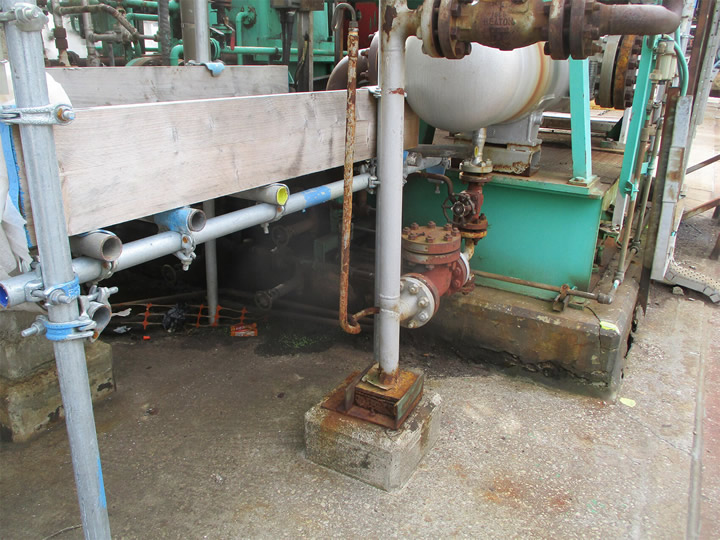
As factories get smarter, they become capable of producing more efficiently, often triggering the need for expansion. This expansion includes better space utilisation, the adoption of newer, larger systems, and an increase in physical footprint.
DFAM: WHY PURPOSEFUL GEOMETRY MUST REPLACE PASSIVE OPTIMISATION
Rather than embracing the full potential of AM, many engineers merely adapt existing designs or lean heavily on software-driven outputs, confusing automation with optimisation.
Barriers to investing in CNC automation in 2025 - Transforming CNC automation obstacles into pathways for growth
.jpg)
Here Hakan Aydogdu, CEO at Tezmaksan Robot Technologies delves into these critical obstacles and reveals how innovative technologies and forward-thinking strategies are breaking down barriers, paving the way for a transformative shift in manufacturing.
3D Printing Revolution: How Localized Manufacturing Is Reshaping Global Trade
.jpg)
In the realm of advanced manufacturing, robotic large-format additive manufacturing (LFAM) is rapidly emerging as a strategic tool for businesses seeking to bypass traditional trade constraints and build more resilient operations.
From Legacy to Leading: How Manufacturers Can Bridge the Integration Gap
.jpg)
Despite big bets on AI, IoT and cloud platforms, many manufacturers are stuck at the starting line. Why? Because they're trying to race ahead while dragging decades-old systems behind them - and, those systems won't talk to each other.
Nature's Nano-Glue: How Attapulgite's Reversible Bonds Could Make Refractories Last Decades
.jpg)
No material is perfect, but attapulgite has many useful properties that manufacturers may not be aware of. Companies should pay greater attention to these benefits if they hope to optimize their workflows, product lineups and facilities.
From Displacement to Empowerment: How Robotics Developers Can Lead the Workforce Reskilling Revolution
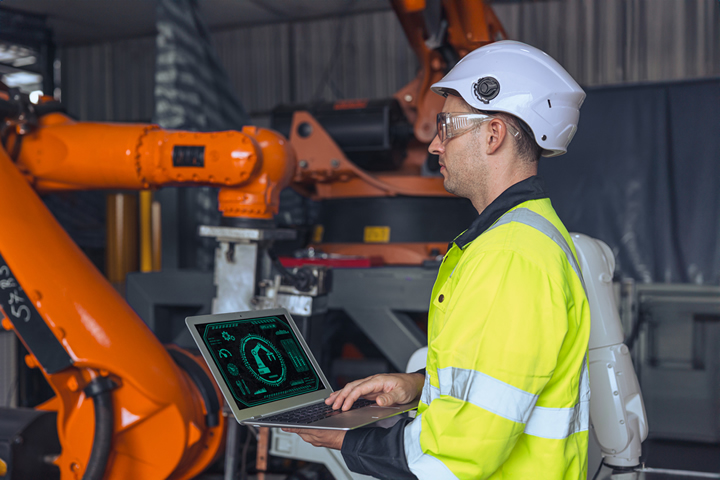
As automation continues to integrate into our factories, warehouses, and supply chains, the conversation around workforce transition and reskilling has become one of the most urgent and defining challenges of our time.
Non-Destructive Testing (NDT) methods with Digital Inspection Technologies
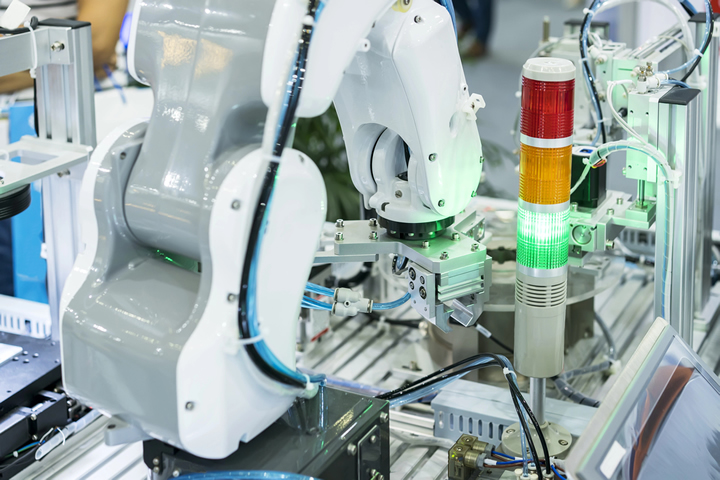
By combining NDT with digital tools like AI, machine learning, and real-time monitoring, they can quickly identify issues, track trends, and make more informed decisions. This integration improves accuracy, reduces inspection time, and enhances overall product reliability.
Digital Twins in the Supply Chain: A Pathway to Predictive Logistics and Lean Operations
.jpg)
This article describes not only what a digital twin is but how it works as a predictive and resilient backbone for contemporary supply chains. From demand planning to warehouse automation, the revolution of the digital twin has already arrived.
How to Build a Proactive Obsolescence Management Plan for Critical Components
.jpg)
All products eventually become obsolete, which can have significant consequences when it affects critical components. Proactive strategies can mitigate these risks. How can organizations develop an effective obsolescence management plan or refine their current one?
Outlook for manufacturing to 2028

Technological advancements, consumer demand and global markets have always had the power to change the manufacturing industry, and in the coming years it is inevitable that we will see some big changes.
From Tariffs to Talent: Why 70% of Manufacturers Say Workforce Enablement is Their Top Priority

Manufacturing executives point to a sector racing to meet the expected rising demand, yet they are struggling to hire, train, and retain the skilled labor essential for modern production.
Records 1 to 15 of 863
Engineering - Featured Product
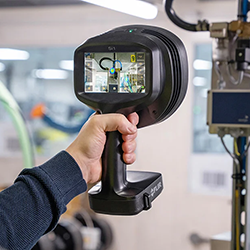
Affordable Excellence: The Go-To Tool for Finding Compressed Air Leaks
Find compressed air leaks fast with FLIR's new cutting-edge Si1-LD acoustic imaging camera. Leveraging advanced ultrasonic technology and onboard analytics, this affordable camera pinpoints leaks and quantifies incurred losses even in the nosiest environments. Upgrade your maintenance routine with the cost-effective FLIR Si1-LD - significantly reduce energy costs and increase system uptime. Get Started Today.