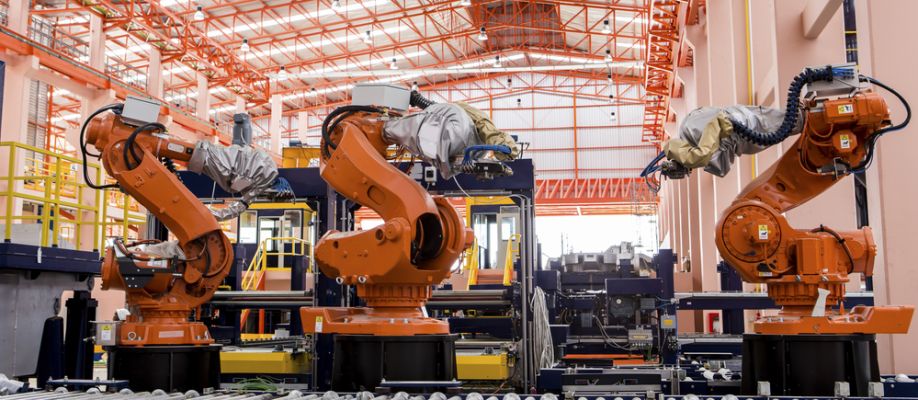
Protecting Workers from Manufacturing Hazards
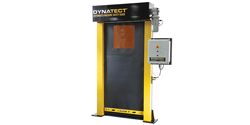
Often robots have enough mass, speed, and inertia that any contact with humans creates the primary hazard; process driven hazards, for example sparks/splatter and UV light in a robotic welding process becomes the secondary hazard.

When Products Fail

Spectacular failures tend to attract much attention. It is simple curiosity as to why it happened and why something was not done to prevent it. One such event was the engine fire on a Boeing 777 flight over Denver in February 2021.

The Role of RO in Industrial Manufacturing

When most people hear "reverse osmosis" (RO), their minds likely go to drinking water. While purifying drinking water is a significant use case for it, and arguably its most notable, RO has far broader applications.

Understanding Air Filtration Systems for Your Manufacturing Facility
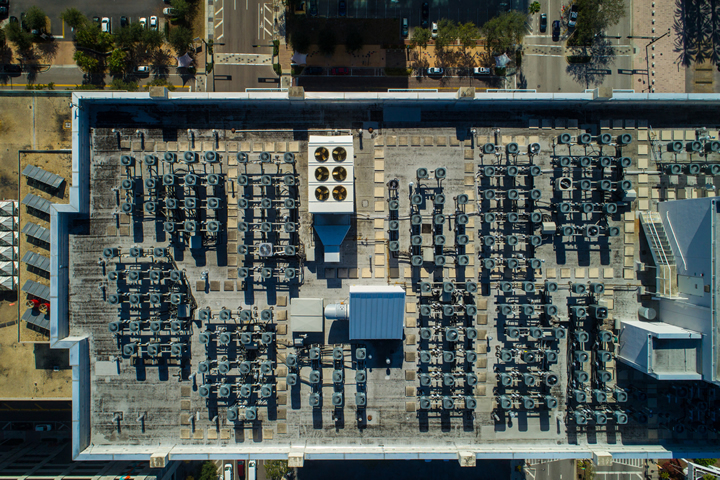
Using the correct air filtration systems in your manufacturing facility is essential for avoiding air pollution and keeping workers healthy. Here are some actionable tips for ensuring company leaders make the best decisions about their air filtration systems.

Key Safety Certifications for Your Facility

Compliance with safety regulations can provide significant benefits. The right certification can ensure workers on the floor are as safe as possible and make your facility seem more trustworthy to potential partners.

The Advantages of Digital Pressure Sensors in Industrial Applications
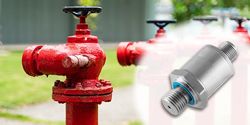
Learn when and why it is best to use digital pressure sensors in industrial applications and what types of features can help increase system safety, efficiency and reliability.

How COVID is Expediting Digital Transformation in the Manufacturing Sector

Senior executives seek answers to questions like - Can I make my supply chain agile; Can I do online RFPs and supplier management. Can I run my factories remotely? Can I ensure social distancing on the factory floor by reducing the number of people on the factory floor?

How Factories and Manufacturers Can Create a Cleaner and Healthier Environment for Their Workers
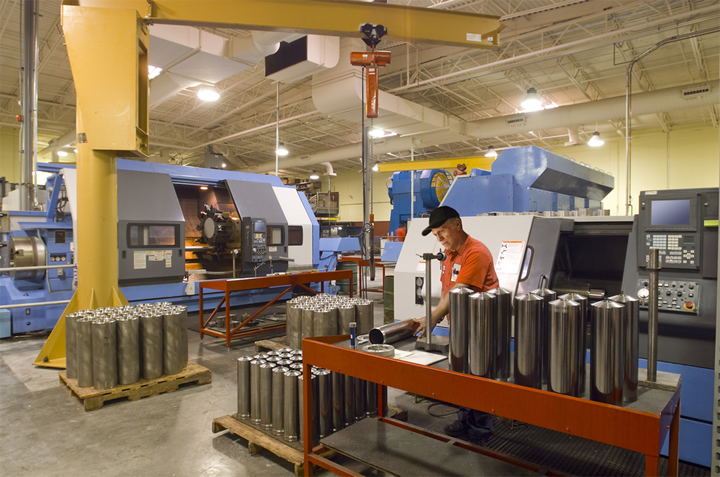
When dust accumulates and reaches hazardous levels, it can cause respiratory issues and damage machinery. If it builds too much, manufacturers risk the threat of a fire. Instead, it's critical to pinpoint the obstacles and create a plan to overcome them.

Manual Work Meets Modern Automation to Empower Workers With Handicaps
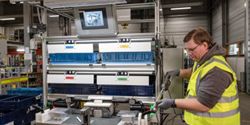
In spite of advancing digitalization, the following still applies: Manual workstations are indispensable, because automation is not always profitable with small batch quantities or complex processes.

Why Standard Surge Protection is Insufficient

On average, businesses suffer 14 hours of downtime every year. Businesses cannot always determine why this downtime occurs, but they can do more to proactively mitigate the negative impacts, particularly in terms of power quality.

How to Keep Manufacturing Employees Safe During Coronavirus
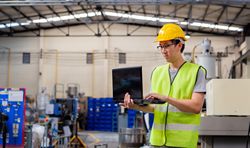
You can find plenty of general health guidelines, but you need to know actionable specifics. OSHA released a list of safety measures for manufacturers, but it doesn't go into much detail.

How the Coronavirus Is Changing Equipment Manufacturing

Companies from various sectors are ramping up production or changing what they make to help the world cope with the coronavirus crisis. Here are several examples.

The Functioning & Benefits Of Dust Extraction Systems
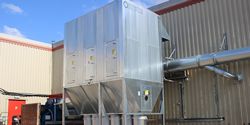
Exposure to dust and fumes can not only cause long term health problems for operators but can also damage machinery, reduce productivity and lower the quality of end products.

Automotive Control System Manufacturer Invests in Mulit-sensor Inspection
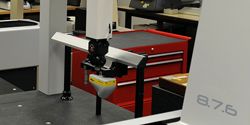
To upgrade the inspection capabilities of its measurement laboratory, the quality department at the Chassis & Safety division of automotive equipment manufacturer Continental invested in two LK Metrology ALTERA multi=-sensor coordinate measuring machines (CMMs).

How to Ensure Your Electrical Safety Program is Driving Compliance in 2019
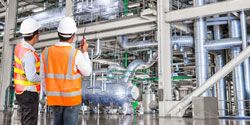
Ensuring compliance with an electrical safety program isn't always easy, but there are plenty of tools available to help you succeed.

Records 31 to 45 of 68

First | Previous | Next | Last

Featured Product

FLIR Si1-LD - Industrial Acoustic Imaging Camera for Compressed Air Leak Detection

FLIR Si1-LD - Industrial Acoustic Imaging Camera for Compressed Air Leak Detection

The FLIR Si1-LD is an easy-to-use acoustic imaging camera for locating and quantifying pressurized leaks in compressed air systems. This lightweight, one-handed camera is designed to help maintenance, manufacturing, and engineering professionals identify air leaks faster than with traditional methods. Built with a carefully constructed array of MEMS microphones for high sensitivity, the Si1-LD produces a precise acoustic image that visually displays ultrasonic information, even in loud, industrial environments. The acoustic image is overlaid in real time on a digital image, allowing you to accurately pinpoint the source of the sound, with onboard analytics which quantify the losses being incurred. The Si1-LD features a plugin that enables you to import acoustic images to FLIR Thermal Studio suite for offline editing, analysis, and advanced report creation. Field analysis and reporting can also be done using the FLIR Acoustic Camera Viewer cloud service. Transferring of images can be managed via memory stick or USB data cable. Through a regular maintenance routine, the FLIR Si1-LD can help facilities reduce their environmental impact and save money on utility bills.

Manufacturing and Automation - Featured Company

EMERSON

EMERSON

Emerson's industry-leading portfolio enables us to identify and confront the challenges of an increasingly complex and unpredictable marketplace from a position of strength, driving near- and long-term value as a trusted partner for our customers.