
Energy-Efficient Manufacturing 4.0: Integrating Smart Drives, LED Displays, and IoT for Sustainable Factories
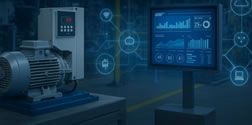
Energy efficiency in manufacturing means producing the same or higher output while consuming less energy. It is measured by key metrics such as energy intensity (kWh per unit produced) and power utilization rate.
Why edge AI alleviates the need for "flexible" data centers
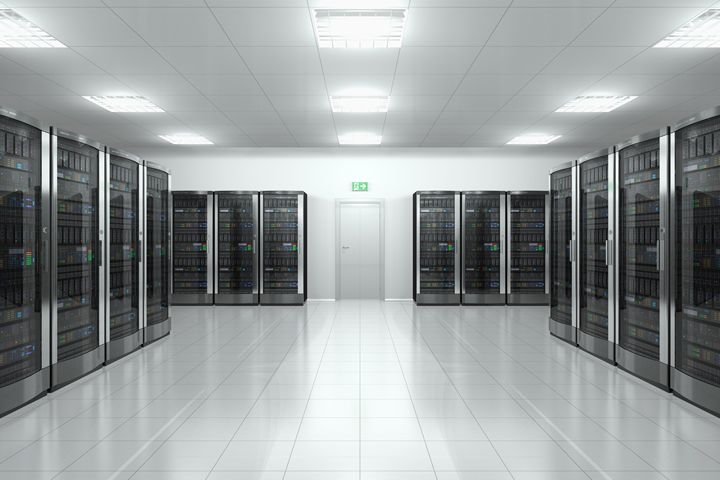
The future of sustainable AI isn't about managing massive centralized loads more cleverly-it's about distributing intelligence to where it's actually needed, with the energy efficiency that comes naturally from edge computing.
Energy Efficiency in Manufacturing and Data Management

Energy consumption is growing exponentially, while energy creation is increasing only incrementally. This imbalance requires innovative solutions. At Delta, we tackle this challenge from both sides-enhancing energy creation while optimizing energy consumption.
Practical Steps for Measuring and Reducing Your Business' Carbon Footprint

In this guide, we walk you through some basic concepts and provide a step-by-step guide for how best to decarbonize your operations quickly and on a tight budget.
Examining the Integration of Hydrogen Fuel Cell Tech in the Manufacturing Supply Chain

Many, if not all, manufacturers today recognize the need to revamp supply chains. Improving sustainability, increasing efficiency and lowering operational costs are key elements of this change, and hydrogen fuel cells can help in each area.
Implementing AI for Energy Efficiency in Manufacturing
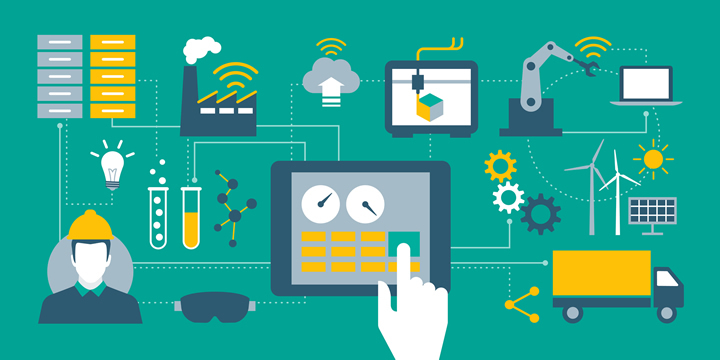
AI for energy efficiency gains requires dedication, but the effort yields an optimized, self-sufficient machine. Early AI adopters using it to progress corporate social responsibility and lower building emissions garner favor among client bases for their initiative.
How Robotics and Energy Management Systems Can Collaborate to Achieve Zero-Energy Manufacturing
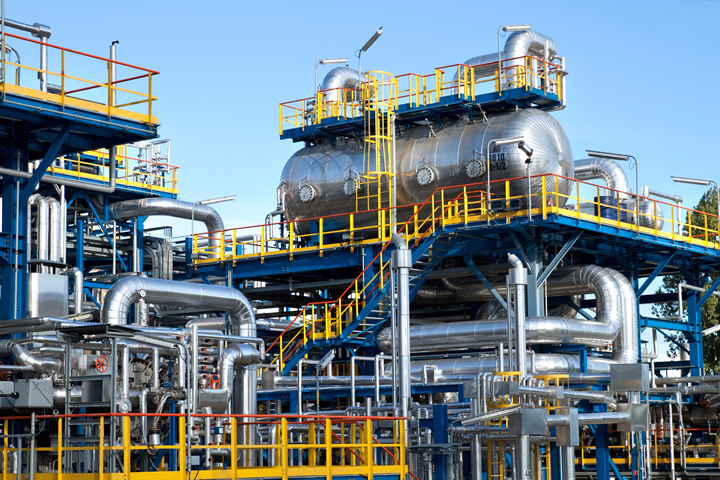
As industries increasingly focus on sustainability, the intersection of robotics and EMS has become crucial. This collaboration enhances manufacturing efficiency while playing a pivotal role in reducing energy consumption and minimizing environmental impact.
The Benefits of Predictive Maintenance Capabilities in Energy Management Systems for Industrial Facilities
.jpg)
Future trends in predictive maintenance focus on leveraging AI and machine learning to improve system accuracy and efficiency, and integrating IIoT for enhanced connectivity and data exchange in smart factories.
The Role of Energy Management Systems in Smart Factories
.jpg)
Energy management systems include Internet of Things (IoT) sensors, smart transformers, connected HVAC equipment and cloud computing platforms to control it all. While implementing this technology can be daunting, it plays several key roles in smart factory operations.
Heat pump with heat exchanger instead of electric heatings Saving 169 MWh of electricity per year
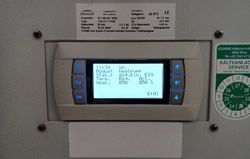
To exploit the existing potential in the cleaning of engine components, a premium car manufacturer replaced the electric water heating system in its Austrian works with a heat pump. This has resulted in electricity savings of approx. 70 percent per year in this process step.
Coping With Rising Energy Prices - Can Manufacturers Remain Profitable Against Energy Uncertainty?

There is currently no end in sight for increasing energy costs. Nevertheless, it's an opportunity for manufacturers to reevaluate their current supply chains and internal processes, and embrace more energy efficient production through Industry 4.0.
Variable speed drives: the dark side
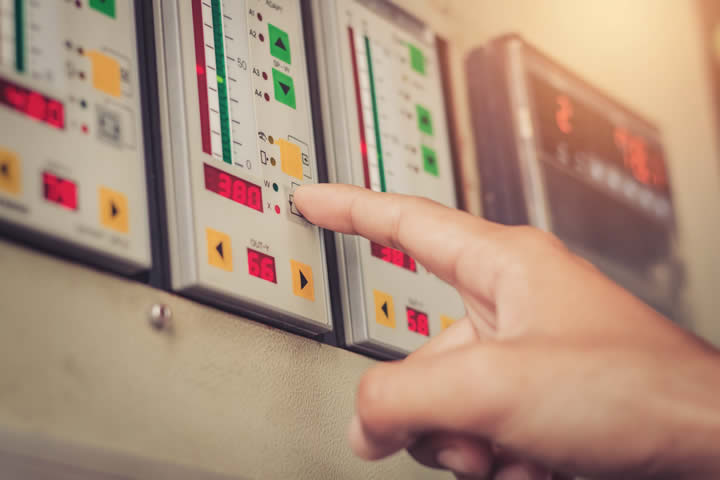
According to ABB, the power and automation company, the addition of a VSD can reduce energy consumption by as much as 60 per cent. This means that, if a 90-kW motor in continuous operation is combined with a VSD, financial savings can amass to over £9,000 per year.
Creating Energy Resilience in Your Manufacturing Facility
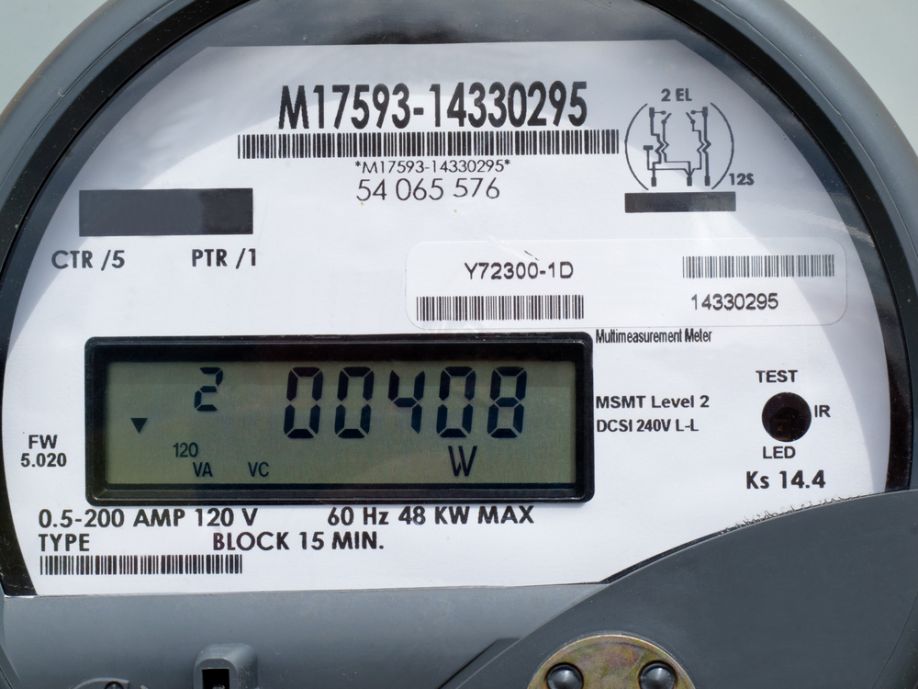
Achieving energy resilience at a manufacturing facility or elsewhere is a two-part process. First, it requires ensuring you have a reliable power supply. Next, an energy-resilient company must have thorough plans for how to respond if a power failure occurs.
Developing Solar Heat for Use in Manufacturing Facilities

Modern solar heat systems incorporate new technology, like smart sensors and other items to improve efficiency. They have found a home in a wide range of industrial facilities - and could help the manufacturing industry reduce emissions created by heating.
What Is a Load Bank and Why Do Manufacturers Need Them?
A load bank can be an important asset in a variety of industries. Load banks are stationary or portable tools that mimic the expected electrical load on a power source in a commercial or industrial setting.
Records 1 to 15 of 18
Featured Product
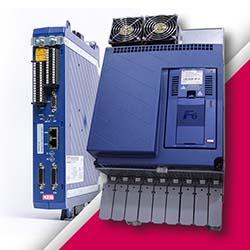
KEB VFDs for High Speed Motor Control
KEB's VFDs are the key to unlocking peak performance in your high-speed machinery. Engineered for precision control, even without feedback sensors, our F6 and S6 drives utilize advanced software and high-frequency output. This ensures smooth operation, reduced vibration, and optimal efficiency. Whether you're building turbo blowers, power generation systems, or other high-speed applications, KEB VFDs deliver the reliability and performance you need.
Manufacturing and Automation - Featured Company

MRPeasy
MRPeasy is a seriously powerful and easy to use ERP software for small manufacturers that gives you everything you need to manage your manufacturing and distribution processes. Integrating sales, procurement, inventory, production, finances, and your team, it provides you with an accurate real-time overview of your operations.
MRPeasy is trusted by 2000+ small manufacturers worldwide, 700+ of which are based in the US and Canada. Our users report a 54% average improvement in the overall performance of their business and a 42% increase in on-time deliveries.
Try for free, no credit card needed.