
The most compact Motion Control System on the market
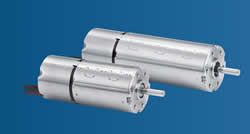
FAULHABER is introducing a new Motion Control System. More precisely: The world's smallest Integrated Motion Controller.
Three layers of predictive maintenance - New horizons in a world of AI and Big Data
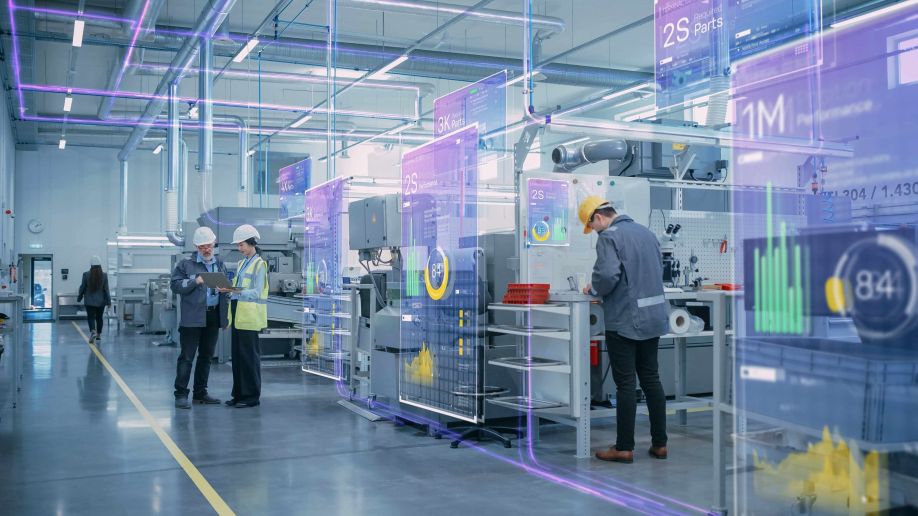
The key difference between preventive maintenance and predictive maintenance is that the latter means completing maintenance only when needed, as opposed to scheduled intervals.
Revolutionizing Sustainability: igus Unveils AI-Driven Solutions for Industry 4.0 at Hannover Messe
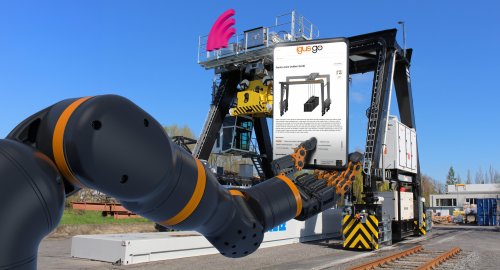
Smart maintenance, low-cost robotics, AI-based online tools: igus® showcasing pioneering solutions for the lubrication-free and CO2-neutral industry and automation of tomorrow at the Hannover Messe
Lean is the Future of Manufacturing
.jpg)
Reducing wait times and eliminating extraneous handling and labor through lean improves your bottom line. The capital saved can then be reinvested in new and better products and processes to further improve the customer experience, which in turn fuels business growth.
How Small Manufacturers are Building a Business Case for Robotics
.jpg)
Smaller manufacturers are the fastest-growing area of industrial robotics today, driven by the need for new collaborative robotics systems.
How ML helps manufacturers maintain safer workplaces
.jpg)
This article covers the concept of machine-learning in manufacturing and highlights four use cases of ML improving workplace safety.
Factories of the future - What will manufacturing facilities look like in 2044
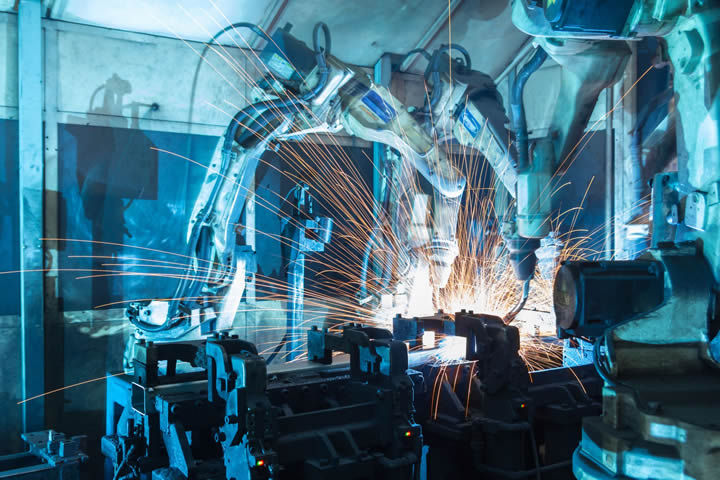
The landscape of manufacturing is set to evolve dramatically over the next two decades, as cutting-edge technologies redefine the way we produce goods. To envision what the future may look like, we do not need to rely solely on idle speculation.
THE IMPACT OF 3D PRINTING ON MICRO MOLDING - A SYNERGISTIC APPROACH
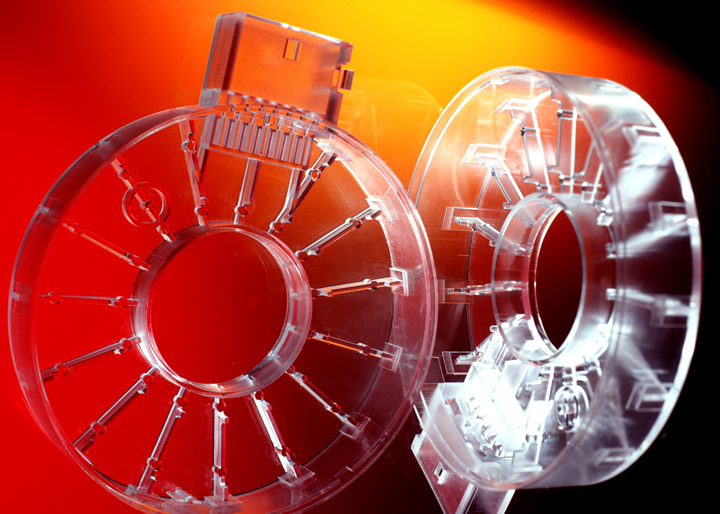
The precision achieved in micro molding is not just about miniaturization, it's about reproducing complex shapes with exacting tolerances that are measured in microns repeatably.
The Benefits of MOM & MES and Why the Differences Matter
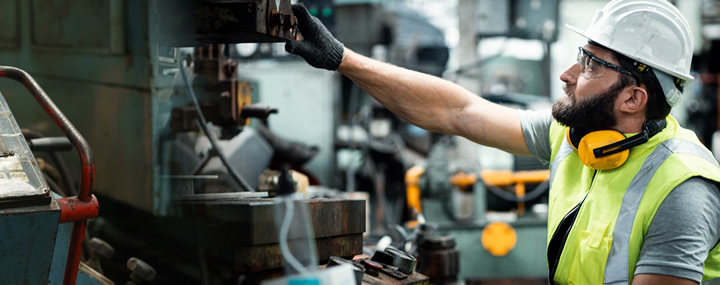
Mike Bradford Strategic Business Development Director at DELMIA, takes a closer look at some of the biggest differences between MES and MOM, and why these differences are critical to manufacturing success.
AI Capabilities Your Manufacturing Organization Likely Hasn't Thought About
.jpg)
Aside from its data-rich mining and productivity enhancements, AI can provide advantageous returns to further aid and elevate day-to-day processes.
Foundations for Success In Industrial Automation: A Guide for Small to Medium Manufacturers, Part III
.jpg)
Once you've pinpointed what you will automate, it's time to develop a project roadmap. Here is how to best transform your preparatory efforts into an actionable plan:
MODEX 2024 - Special News Feature

MODEX 2024 is happening and our special newspage is loaded with news and product announcements from the event.
7 Reasons Cloud Data is Driving the Future of Auto Manufacturing
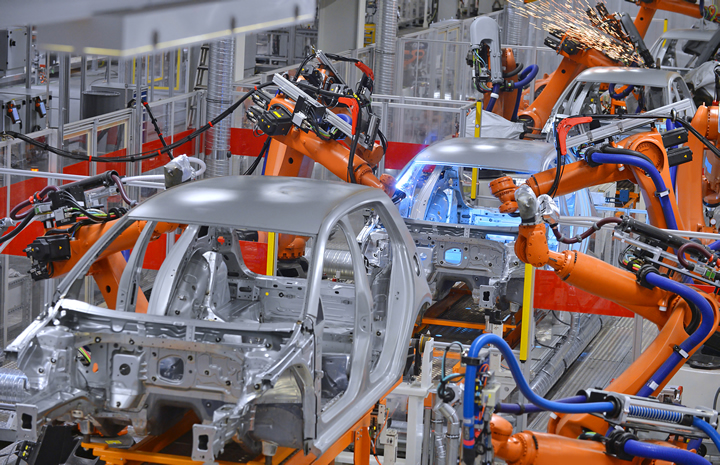
Storing and analyzing auto manufacturing data in the cloud has several advantages automakers can't afford to miss. Here's a closer look at these benefits and why cloud data will drive the future of auto manufacturing.
Waste not, want not - rapid identification of metals in scrap
Handheld devices, such as XRF analyzers, offer recyclers tools to rapidly and accurately determine the composition and grade of incoming scrap. This eliminates the need to depend on traditional verification methods such as spark or chemical tests.
The "Most Expensive Software" Holding Our Factories Back
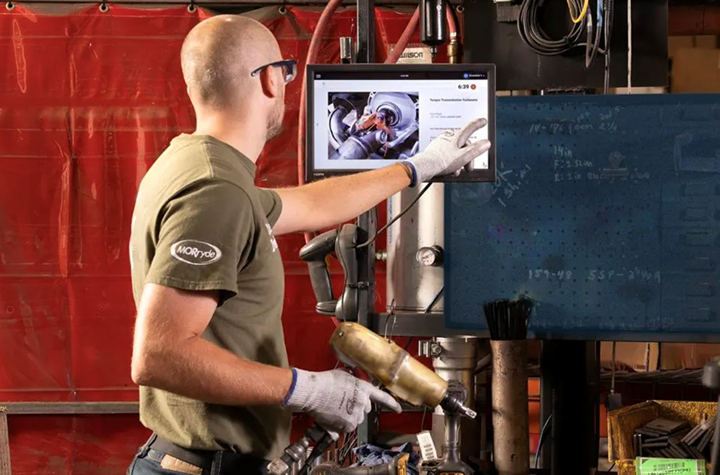
The industry's reliance on cumbersome tech to drive manufacturing operations (masked as "customized just for you") - which costs millions of dollars, and in many cases, takes years to install - is not made with mid-sized factories in mind.
Records 1 to 15 of 743
Engineering - Featured Product

WCX™ 2024 - Where Mobility Moves Forward
Experience the future of mobility at WCX™ 2024, where innovation meets collaboration. Join leading experts, engineers, and visionaries from around the globe to explore cutting-edge technologies, share insights, and shape the automotive industry's trajectory. From electrification to autonomous solutions, immerse yourself in a dynamic platform that drives progress. Don't miss the opportunity to be at the forefront of automotive excellence.