The Next Industrial Epoch is Here: Why Acting Now is a Strategic Imperative for Manufacturers
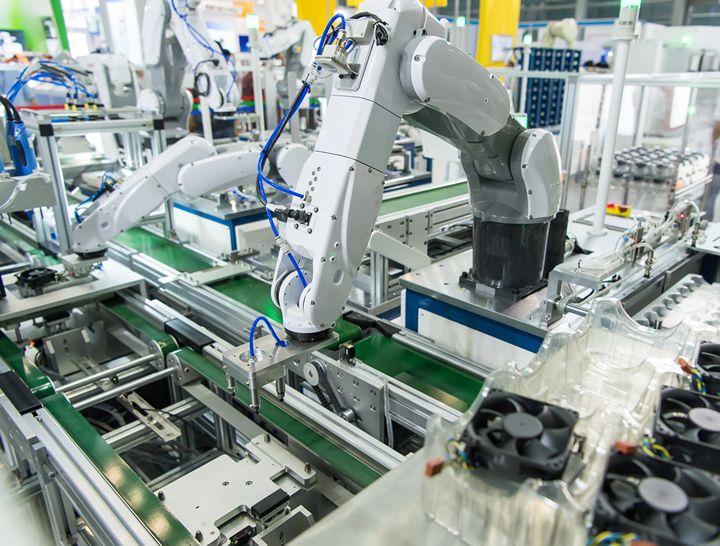
The convergence of technological maturity, proven financial returns, and a strategic need for resilient domestic production has created a generational opportunity, and the window to act is now.

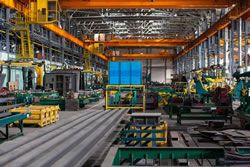
Why Automation, Not Wafer Size, Determines Semiconductor Fab Cycle Time
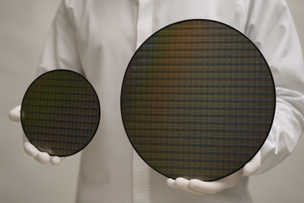
New 200 mm capacity is often built from scratch or heavily refurbished, making it easier to apply the same automation patterns used in 300 mm fabs. The result is convergence; wafer diameter still affects output per lot, but it no longer indicates the level of automation.

AI in Manufacturing: Why Now Matters

In an environment driven by Lean Manufacturing and Continuous Improvement, AI empowers shops to act faster and smarter, without adding more headcount.

Using AI to Solve the "Execution Gap" in Manufacturing

Max AI doesn't just bridge the execution gap - it sets a new standard for modern manufacturing. By acting in real time - watching, thinking, and doing - it removes the friction and firefighting that once consumed operators, supervisors, and planners.

The Library of Machine Malfunctions and Changing the Factory-Worker Relationship
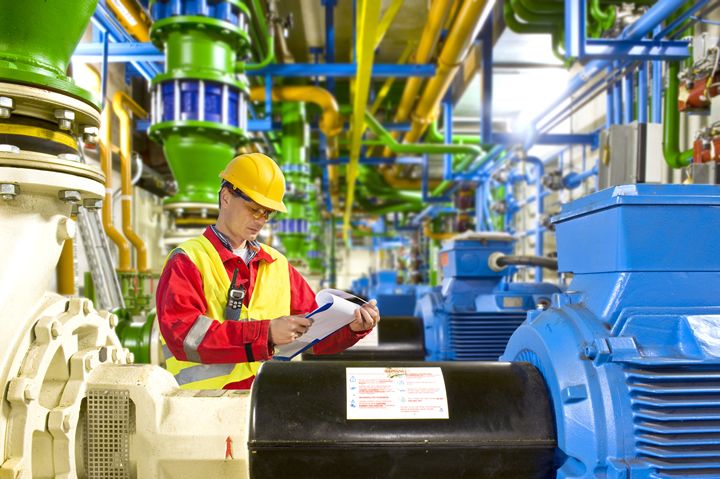
The goal from day one was clear: build the definitive source of industrial reliability knowledge, and open it up to empower teams everywhere to shift from reactive troubleshooting to proactive control.

How Machine Vision is Enhancing Automation Safety and Efficiency

Technologies to extract high-level meaning from images are increasingly common. Within the research community, such technologies are often considered different from machine vision. However, all are different ways of achieving machine vision and in many cases overlap.

10 Common Supply Chain Issues & How to Solve Them

Let's take a look at some of the major global supply chain issues of the past four years, then drill into the most common effects on businesses. You'll be surprised at the number of strategies you can implement to mitigate the risks.

PILLARS OF TOMORROW - A hopeful vision of Government, Technology, and Human Dignity in harmony

For centuries, visions of the future have been dominated by dystopian warnings - cautionary tales of power gone wrong. Five Pillars of Tomorrow offers an alternative: a governance model where transparency, collective wisdom, and advanced AI safeguard human dignity.

Falling Behind Competition? Feel Like You Are Not Innovating Enough? Rethink Your CAD Platform.

Transitioning to cloud-native CAD mitigates legacy system burdens. Organizations can eliminate high upfront costs, reduce IT overhead, dismantle data silos, enable seamless collaboration, and access integrated data management.

Maximizing ROI with Mobile Automation: What the Data Shows

Technologies like autonomous mobile robots (AMRs) and automated guided vehicles (AGVs) are helping companies bring autonomy to material movement more efficiently, safely, and cost-effectively than ever before.

How Collision Awareness Systems Help Meet OSHA Forklift & Pedestrian Safety Guidelines

According to OSHA, approximately 35,000 serious injuries and 62,000 non-serious injuries involving forklifts occur each year in the U.S., many of which are due to poor visibility, blind spots, and uncontrolled intersections in warehouses.

AI + Lean: How U.S. Manufacturers Can Blend Tradition with Technology

Lean manufacturing remains the timeless backbone of operational excellence. It provides the structure, culture, and discipline that no technology can replace. But in an era of vast data and real-time demands, AI acts as a powerful multiplier.

Comprehensive Guide to Composite Materials and Simulation

Composite simulation is crucial because it lets engineers explore designs, optimize performance, and spot failures digitally, saving tons of time and money compared to physical testing. It's challenging due to anisotropy, modeling delamination, and high computational cost.

Maximizing OEE with Smart Selection of Electric Linear Actuators

How a careful actuator selection and modern motion system design can unlock higher availability, performance, and product quality in automated manufacturing.

Building a Culture of Team Performance at Paramount Machine with Production Monitoring

When manufacturing software is implemented as a tool for accountability alone, it risks alienating operators. But when it's positioned as a tool for empowerment, it can transform team culture and unlock significant performance gains.

Records 16 to 30 of 1789

First | Previous | Next | Last

Featured Product

FLIR Si1-LD - Industrial Acoustic Imaging Camera for Compressed Air Leak Detection

FLIR Si1-LD - Industrial Acoustic Imaging Camera for Compressed Air Leak Detection

The FLIR Si1-LD is an easy-to-use acoustic imaging camera for locating and quantifying pressurized leaks in compressed air systems. This lightweight, one-handed camera is designed to help maintenance, manufacturing, and engineering professionals identify air leaks faster than with traditional methods. Built with a carefully constructed array of MEMS microphones for high sensitivity, the Si1-LD produces a precise acoustic image that visually displays ultrasonic information, even in loud, industrial environments. The acoustic image is overlaid in real time on a digital image, allowing you to accurately pinpoint the source of the sound, with onboard analytics which quantify the losses being incurred. The Si1-LD features a plugin that enables you to import acoustic images to FLIR Thermal Studio suite for offline editing, analysis, and advanced report creation. Field analysis and reporting can also be done using the FLIR Acoustic Camera Viewer cloud service. Transferring of images can be managed via memory stick or USB data cable. Through a regular maintenance routine, the FLIR Si1-LD can help facilities reduce their environmental impact and save money on utility bills.

Manufacturing and Automation - Featured Company

The Wire Association International, Inc. (WAI)

The Wire Association International, Inc. (WAI)

The Wire Association International (WAI), Inc., founded in 1930, is a worldwide technical society for wire and cable industry professionals. Based in Madison, Connecticut, USA, WAI collects and shares technical, manufacturing, and general business information to the ferrous, nonferrous, electrical, fiber optic, and fastener segments of the wire and cable industry. WAI hosts trade expositions, technical conferences, and educational programs.