
Laying the groundwork for smarter manufacturing - Enhancing factory foundations for reduced downtime, more efficient production
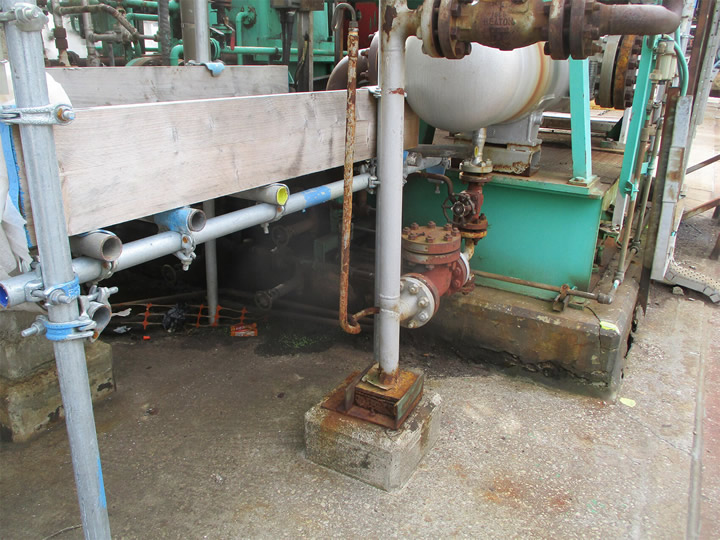
As factories get smarter, they become capable of producing more efficiently, often triggering the need for expansion. This expansion includes better space utilisation, the adoption of newer, larger systems, and an increase in physical footprint.
Upgrade Your Mezzanine Flooring While Avoiding Timely and Costly Replacement

Mezzanine floors are important in many facilities. They provide extra space for storage or work without taking up more ground space. However, they often face heavy use from equipment and people. Over time, this can cause the floor to wear down.
Nature's Nano-Glue: How Attapulgite's Reversible Bonds Could Make Refractories Last Decades
.jpg)
No material is perfect, but attapulgite has many useful properties that manufacturers may not be aware of. Companies should pay greater attention to these benefits if they hope to optimize their workflows, product lineups and facilities.
Transforming manufacturing growth and efficiency with AI translation

The strategic adoption of AI translation platforms is enabling many manufacturing companies to achieve significant advancements in efficiency, cost reduction, and global reach.
Digital Twins in the Supply Chain: A Pathway to Predictive Logistics and Lean Operations
.jpg)
This article describes not only what a digital twin is but how it works as a predictive and resilient backbone for contemporary supply chains. From demand planning to warehouse automation, the revolution of the digital twin has already arrived.
Adapt Your Warehouse Operations Using a Low Code Application Platform-Based WMS
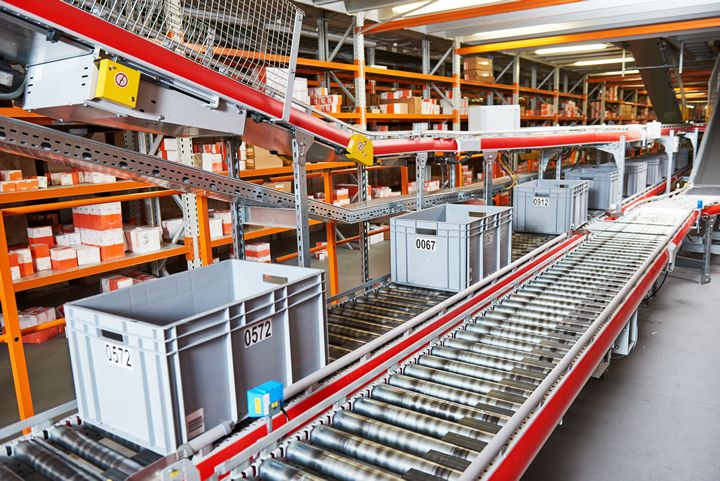
Today, modern software development methodologies have designed new platforms that have components and functionalities that are tightly connected to a single, large database. Individual components can be separated and modified independently.
Top Use Cases of RPA in Warehouse and Inventory Management
.jpg)
RPA is no longer experimental in logistics-it's essential. Whether reducing order processing time, maintaining inventory accuracy, or automating invoice reconciliation, the use cases here show how robotic automation drives speed, accuracy, and cost-efficiency at scale.
Leveraging Real-Time Production Data
This article explores how manufacturers can leverage real-time production data to improve cost accuracy, optimize resource utilization, and enhance decision-making.
From Tariffs to Talent: Why 70% of Manufacturers Say Workforce Enablement is Their Top Priority

Manufacturing executives point to a sector racing to meet the expected rising demand, yet they are struggling to hire, train, and retain the skilled labor essential for modern production.
Automating the 'last mile' of package deliveries
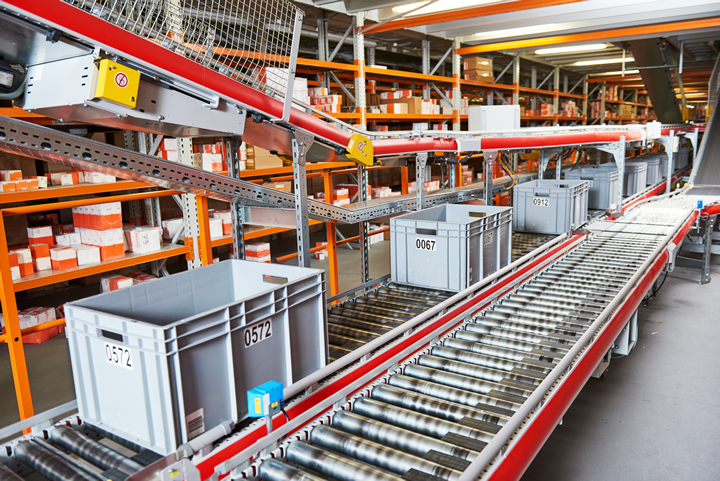
The use of optical character recognition enables parcels to be quickly scanned and assigned to a bin that will collate all the packages for a delivery area. Automation allows line speeds to be increased and reduces sorting errors, boosting efficiency.
A Sustainable Future Relies on Flexible Manufacturing Adoption
Traditional manufacturing models are known for prioritizing efficiency over sustainability - and being resource-intensive. A truly sustainable future demands a paradigm shift. Flexible manufacturing systems offer a promising path forward.
Accelerating Aftermarket Growth: User Needs, Emerging Technologies, and OEM Strategy

The 2025 Aftermarket Parts & Service report, produced by PMMI delivers a comprehensive blueprint for how OEMs can meet the moment - leveraging innovation, insight, and investment to drive long-term growth and partnership value.
How to Achieve Sustainable Production?
.jpg)
By leveraging cutting-edge digital solutions, sustainable production transforms traditional manufacturing processes by increasing efficiency, reducing waste, and conserving energy, pushing industries toward a more resilient and eco-friendly future.
VE Day at 80: Lessons from Wartime Manufacturing for a Modern Britain

Britain's manufacturing capabilities played a huge role in winning the Battle of Britain - and subsequently WWII. The nation's adaptability, resource management and workforce flexibility on the manufacturing front was utterly vital.
Adjusting M&A Strategies in Response to Changes in Global Trade Policies and Tariffs

Many of the deals announced in the first quarter were initiated last year, during a period of growing optimism driven by the prospect of a business-friendly US administration. However, recent trade policies have dampened optimism, and uncertainty has returned to the market.
Records 1 to 15 of 920
Supply Chain - Featured Product

Cabinet Cooler Systems
Stop electronic control downtime due to heat, dirt, and moisture! A low cost, reliable way to cool and purge electronic control panels. EXAIR Cabinet Coolers incorporate a vortex tube to produce cold air from compressed air - with no moving parts. https://exair.co/184_540