
The Future of IoT Analytics: How AI and Big Data are Changing the Industrial Sector
.jpg)
Imagine trying to keep track of everything happening in a giant factory, where robots build cars, sensors check the temperature, and cameras inspect for defects. Without a system to connect all that information, it would be chaotic.
Boosting global competitiveness through digitalization and standardization

European industries are under pressure. High labor costs and a growing shortage of skilled workers make it challenging to compete globally. The solution? Digitalization and standardization.
The Rise of AI in Manufacturing to Collect and Use Data
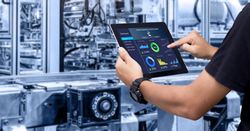
While AI and machine learning systems typically require around two years to collect enough data to reach their full potential, manufacturers can start seeing benefits almost immediately with basic analysis tools and dashboards.
From Simple Fixes to Advanced AI: A Small Manufacturer's Guide to Industry 4.0
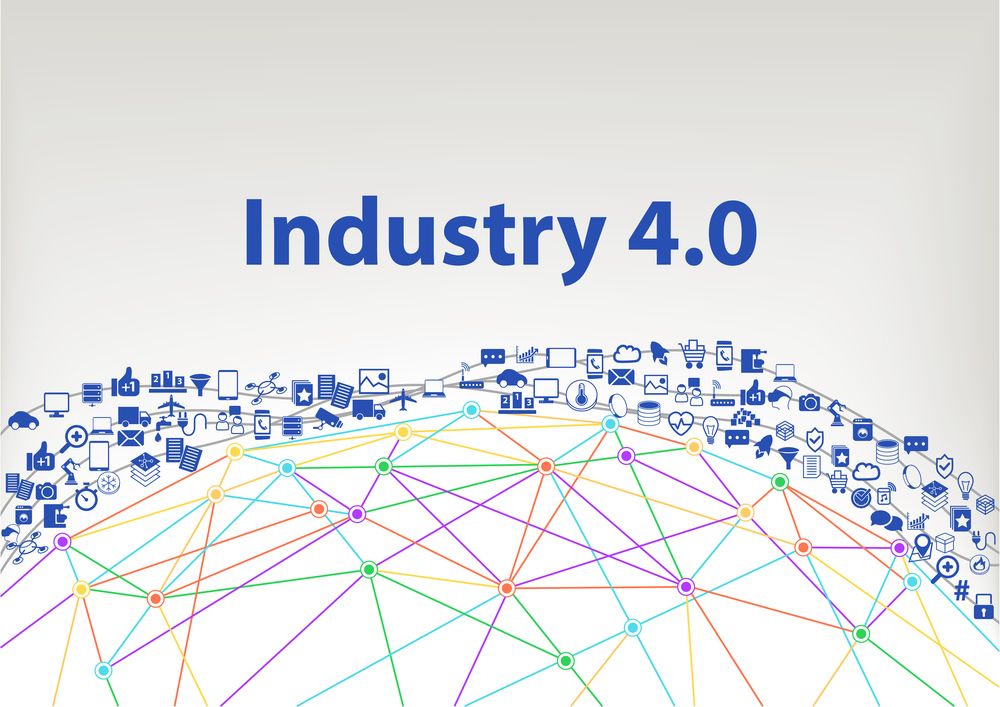
You might be aware that Industry 5.0 is aspirational for even the manufacturing who's who and while the jury is still out on what exactly the goal of 5.0 is, many experts observe that Industry 4.0 is far from complete
Why Cloud-Based EDI Is Imperative for Manufacturing

An effective EDI in manufacturing must be as agile, accurate and secure as leading manufacturers themselves. The only way to achieve that is to use a cloud-based alternative to conventional solutions.
How Remote Industrial Operators Will Dominate the AI Race
.jpg)
Companies that secure data ownership today are the ones who will lead tomorrow or, in Olympic terms, will earn gold in the AI race.
What is "Platform as a Service" and How Does it Improve Efficiencies in IIoT Ecosystems?

With each new IIoT device brought to market, manufacturers spent untold amounts of time and money making it live up to its potential. Time and again, they were building and rebuilding the same technology to enable data-based decision making, miles away from the device itself
7 Reasons Cloud Data is Driving the Future of Auto Manufacturing
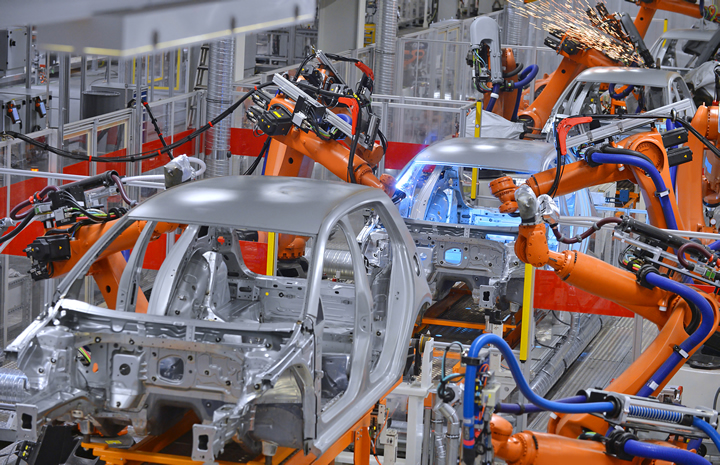
Storing and analyzing auto manufacturing data in the cloud has several advantages automakers can't afford to miss. Here's a closer look at these benefits and why cloud data will drive the future of auto manufacturing.
The Data Revolution Is Transforming Manufacturing-Don't Fall Behind
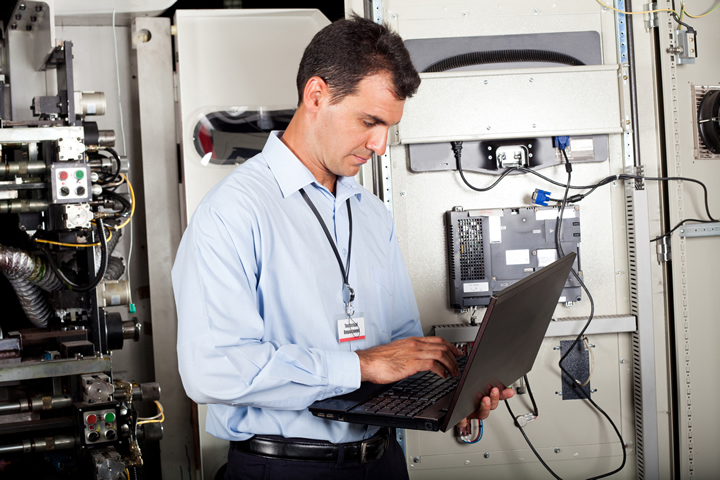
Getting a robust, firing-on-all-cylinders data operation is a far less labor-intensive process than many seem to suspect, and the dividends it yields invariably outpace whatever effort is expended on getting it off the ground.
Why Data Contextualization is Critical During the Digital Transformation Era

Data is the critical driver of change, but even the highest quality data can't drive change in a vacuum. Simply gathering and accessing data is not enough-manufacturers must leverage it in context to make decisions that enhance value in times of digital transformation.
Data Guys Versus Production Pros - Who is the Best Person to Train AI Programs for Defect Detection?

Artificial intelligence has the potential to deliver game-changing results for quality inspection and defect detection. However, until now the process of training the model has proven problematic.
Giving Second Life to Legacy Systems Through the Industrial Internet of Things
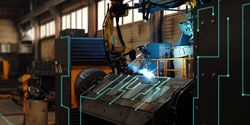
Due to the fact that manufacturing and IT systems have historically developed in parallel, they cannot communicate by default, which forces companies to struggle with compatibility issues when performing digital transformation.
Industrial Analytics: A Catalyst for Sustainability in Manufacturing
.jpg)
There was a time when the average manufacturing facility was a kind of black box: you could measure inputs and outputs, and roughly gauge other metrics, but precision was a pipe dream. That's changed drastically in recent decades, with the advent of the IIoT
Why Manufacturing Leaders Should Embrace Data-Driven Manufacturing
.jpg)
In order to continue to stay relevant and competitive, manufacturing must embrace technologies like Big Data, AI, AR, and more to help improve processes, increase productivity, and make informed, data-driven decisions. But are manufacturing companies doing so?
The Importance of Data Ops & Context in Batch Manufacturing
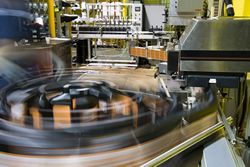
Context in batch manufacturing provides the "where" and "when" for a given recipe. Analytics can then be run within the context of a particular piece of equipment or unit and across all levels of a batch, providing the ability to perform batch-to-batch comparisons.
Records 1 to 15 of 40
Featured Product

FLIR Si1-LD - Industrial Acoustic Imaging Camera for Compressed Air Leak Detection
The FLIR Si1-LD is an easy-to-use acoustic imaging camera for locating and quantifying pressurized leaks in compressed air systems. This lightweight, one-handed camera is designed to help maintenance, manufacturing, and engineering professionals identify air leaks faster than with traditional methods. Built with a carefully constructed array of MEMS microphones for high sensitivity, the Si1-LD produces a precise acoustic image that visually displays ultrasonic information, even in loud, industrial environments. The acoustic image is overlaid in real time on a digital image, allowing you to accurately pinpoint the source of the sound, with onboard analytics which quantify the losses being incurred. The Si1-LD features a plugin that enables you to import acoustic images to FLIR Thermal Studio suite for offline editing, analysis, and advanced report creation. Field analysis and reporting can also be done using the FLIR Acoustic Camera Viewer cloud service. Transferring of images can be managed via memory stick or USB data cable. Through a regular maintenance routine, the FLIR Si1-LD can help facilities reduce their environmental impact and save money on utility bills.