The Triumphant Rise Of 3D Printing: Good News For Commercial Property?
 James Dearsley for Seeking Alpha: If recent announcements from Uber and Google are anything to go by, technology is taking the physical infrastructure of cities and commercial property by the scruff of the neck; realigning the boundaries of influence and reach. With non-property focused companies playing such a big role in defining the future role of commercial property, it’s clear that the paradigm has shifted.
3D printing has the promise to provide all of the required solutions for our future cities, but what is the tech currently capable of? How viable is a 3D printed city? Are we there yet, or is it still a decade or so away?
The property industry has a big job ahead of it, the city is changing; sustainability and connectivity are the new rules we must adhere to. The demands of creating a fully connected smart city, the highest of hi-tech, are huge. Such advanced technology doesn’t come cheap, and yet it must remain affordable enough to attract a steady stream of tenants, especially when the need for physical office and retail space is quickly diminishing.
How far from 3D printed cities are we?
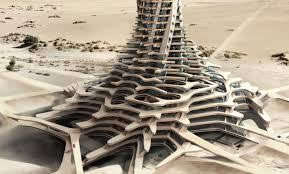
Put simply, not far at all. We are already seeing amazing progress in 3D printing; let’s quickly talk about a couple of exciting examples. Full Article:
Comments (0)
This post does not have any comments. Be the first to leave a comment below.
Featured Product